Choosing between Seel and Seal can be confusing because the two words look almost identical. However, they have very different meanings and are used in completely different situations. If you’ve ever wondered whether you should write seel or seal, you’re not alone. Many English learners and even native speakers occasionally mix them up.
The good news is that the distinction is straightforward once you understand each word’s purpose. In this guide, you’ll learn the meaning of Seel and Seal, discover when to use each one, explore real-life examples, avoid common mistakes, and gain confidence in your writing. Whether you’re writing an email, an academic paper, or a blog post, this article will help you choose the correct word every time.
Quick Answer
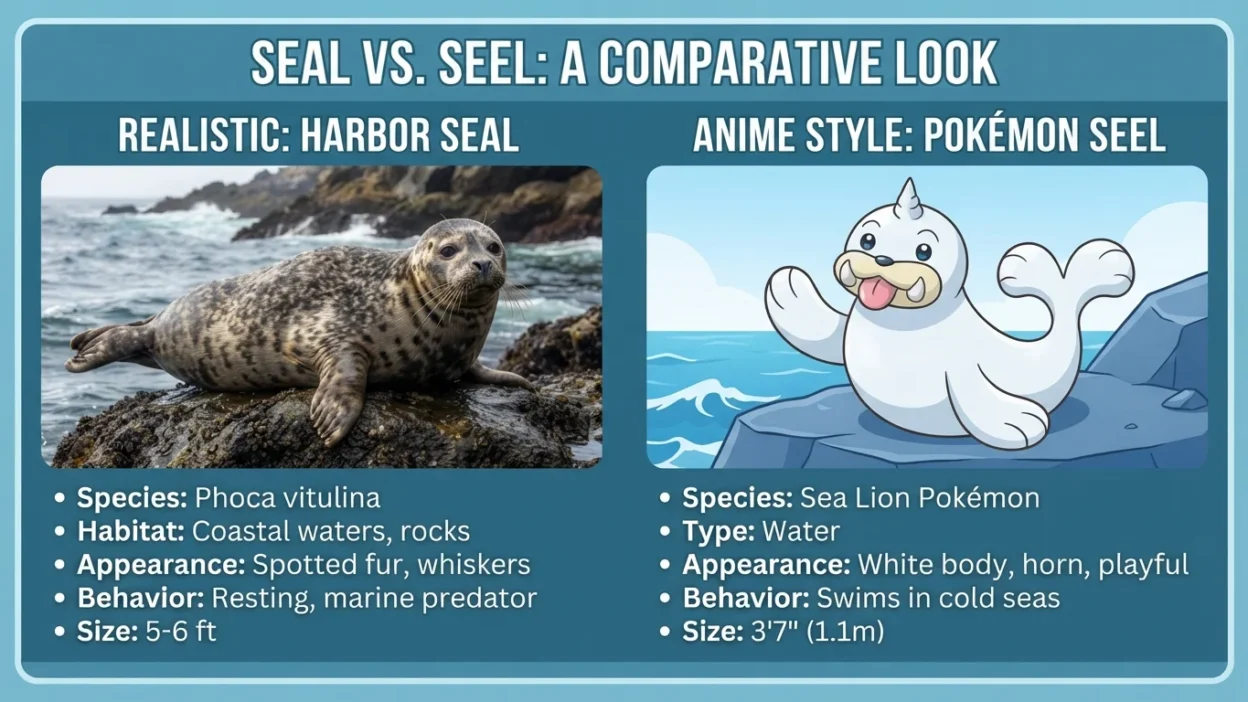
Seal is the correct word in almost all modern English writing. It refers to closing something securely, an official stamp, or a marine mammal.
Seel is a rare, old-fashioned English word that means to close or sew shut the eyes of a bird, especially in falconry. It is considered archaic and is almost never used in everyday English.
In modern writing, you should almost always use “seal.”
What Does “Seal” Mean?
The word seal has several common meanings depending on the context. It is one of the most frequently used words in English and appears in everyday conversations, business writing, legal documents, and technical communication.
Common meanings of seal include:
- To close something tightly
- To make something airtight or waterproof
- To officially approve a document with a stamp
- A marine mammal that lives in oceans
- A symbol of authority or authenticity
Examples of “Seal”
- Please seal the envelope before mailing it.
- The plumber used silicone to seal the pipe.
- The president placed the official seal on the document.
- We watched a playful seal swimming near the shore.
- Always seal food containers to keep them fresh.
In nearly every modern situation, seal is the correct spelling.
What Does “Seel” Mean?
Seel is an old English verb that has survived mainly in historical literature and discussions about falconry. Traditionally, it meant to sew or close the eyelids of a hawk or falcon to calm or train the bird.
Because the practice is historical, the word itself has become extremely rare. Most English dictionaries label it as archaic or obsolete.
Examples of “Seel”
- The falconer decided to seel the bird before training.
- Ancient texts sometimes mention the practice of seeling hawks.
Outside historical discussions or literary works, you are very unlikely to encounter this word.
Seel vs Seal: What’s the Difference?
| Feature | Seel | Seal |
|---|---|---|
| Modern usage | Extremely rare | Very common |
| Part of speech | Verb | Verb and noun |
| Meaning | To close a bird’s eyelids (archaic) | To close securely, approve officially, or marine animal |
| Everyday English | No | Yes |
| Common in writing | Almost never | Very frequently |
The simplest rule is:
- Use seal for everyday communication.
- Use seel only when referring to historical falconry or discussing old literature.
Why Do People Confuse Seel and Seal?
There are several reasons why these words are confused.
Similar Pronunciation
Both words are pronounced almost exactly the same in standard English, making them homophones.
Nearly Identical Spelling
Only one letter separates the two words, making typing mistakes common.
Spell Checker Limitations
Since seel is an actual English word, spell checkers may not always flag it as an error, even when you intended to write seal.
Lack of Familiarity
Most people have never encountered the word seel, so they may assume it is simply another spelling of seal.
Common Examples Using “Seal”
Understanding how seal appears in everyday English makes choosing the correct word much easier.
Closing Something
- Seal the package carefully.
- Please seal the bottle tightly.
- The window needs to be sealed.
Official Approval
- The certificate carries the official seal.
- The company seal confirms authenticity.
Animal
- We saw a baby seal at the aquarium.
- Harbor seals are excellent swimmers.
Protection
- Seal the wooden table to protect it from water.
- Applying paint helps seal the surface.
Common Mistakes to Avoid
Many writers accidentally misuse these words. Here are the most common errors.
Incorrect
- Please seel the envelope.
Correct:
- Please seal the envelope.
Incorrect
- The food container wasn’t properly seeled.
Correct:
- The food container wasn’t properly sealed.
Incorrect
- The official seel was printed on the certificate.
Correct:
- The official seal was printed on the certificate.
Unless you’re discussing medieval falconry, seal is almost certainly the correct choice.
Easy Memory Trick
Here’s a simple way to remember the difference.
Seal contains the letters “ea,” just like “eat.”
You seal food containers so food stays fresh.
Whenever you’re talking about closing, protecting, approving, or the marine animal, remember seal.
American vs British English
There is no spelling difference between American English and British English.
| American English | British English |
|---|---|
| Seal | Seal |
| Sealed | Sealed |
| Official seal | Official seal |
Both varieties of English use seal in exactly the same way.
The word seel is equally archaic in both American and British English and rarely appears outside historical references.
Related Words and LSI Keywords
Using related vocabulary improves understanding and reflects natural language.
Relevant words include:
- Close
- Secure
- Fasten
- Lock
- Waterproof
- Protect
- Stamp
- Official mark
- Authentication
- Envelope
- Approval
- Marine mammal
- Harbor seal
- Sea lion
- Closure
- Air-tight
- Preserve
- Securely close
These related terms help readers understand the different meanings of seal without overusing the primary keyword.
Expert Writing Tip
Professional editors, teachers, and dictionary publishers consistently recommend using seal for virtually every modern context. Because seel has become obsolete in everyday English, using it accidentally may confuse readers or reduce the credibility of your writing.
Following standard English conventions improves clarity, readability, and professionalism. When in doubt, choose seal unless you’re intentionally writing about historical falconry or analyzing classic literature.
Frequently Asked Questions
Is “Seel” a real English word?
Yes. Seel is a genuine English word, but it is archaic and mainly associated with historical falconry.
Which is correct: Seel or Seal?
For modern English, seal is almost always the correct spelling.
Can I use “Seel” in everyday writing?
No. Modern readers generally expect seal, not seel.
Is “Seal” both a noun and a verb?
Yes. Seal can describe an animal or an official mark, and it can also mean to close something securely.
Are Seel and Seal pronounced the same?
Yes. In standard English, they are pronounced alike, making them homophones.
Is there any American and British spelling difference?
No. Both American English and British English use seal with the same spelling and meaning.
Why doesn’t spell check always catch “Seel”?
Because seel is an actual dictionary word, many spell checkers recognize it as valid even when it is used incorrectly.
Should SEO writers use “Seel” or “Seal”?
Unless discussing historical language or falconry, SEO writers should always use seal because it matches modern search intent and reader expectations.
Summary
Understanding the difference between Seel and Seal is easier than it first appears. While the two words sound alike, their meanings are completely different. Seal is the standard modern English word used for securely closing objects, applying official approval, protecting surfaces, or referring to the well-known marine mammal. It is the correct choice for virtually all personal, academic, professional, and online writing.
By contrast, seel is an archaic verb preserved mainly in historical texts about falconry. Unless your topic specifically involves historical bird training or literary analysis, you should avoid using it. Remember this simple rule: if you’re writing for today’s readers, seal is almost always the right word. Choosing the correct spelling improves clarity, strengthens credibility, and ensures your message is immediately understood.

A passionate linguist who specializes in word relationships and vocabulary building.
He has spent years studying synonyms and semantic patterns across languages.
Arman writes to make language learning simple, precise, and engaging.