The word disappear is commonly used to describe something that vanishes, becomes invisible, goes away, or is no longer present. Learning the synonyms of disappear can help students, ESL learners, writers, and content creators improve their vocabulary and express ideas more precisely.
Whether you’re writing a story, academic paper, blog post, or everyday message, knowing different alternatives to disappear can make your language more vivid and engaging.
What Does “Disappear” Mean?
Disappear means:
- To stop being visible
- To vanish from sight
- To go away or leave unexpectedly
- To cease to exist or be present
Example Sentences
- The rabbit disappeared into the forest.
- The clouds disappeared after the storm.
- Many old traditions have disappeared over time.
Usage Tip
Use disappear when talking about something becoming invisible, leaving, fading away, or no longer existing
1. Vanish
Meaning: To disappear suddenly and completely.
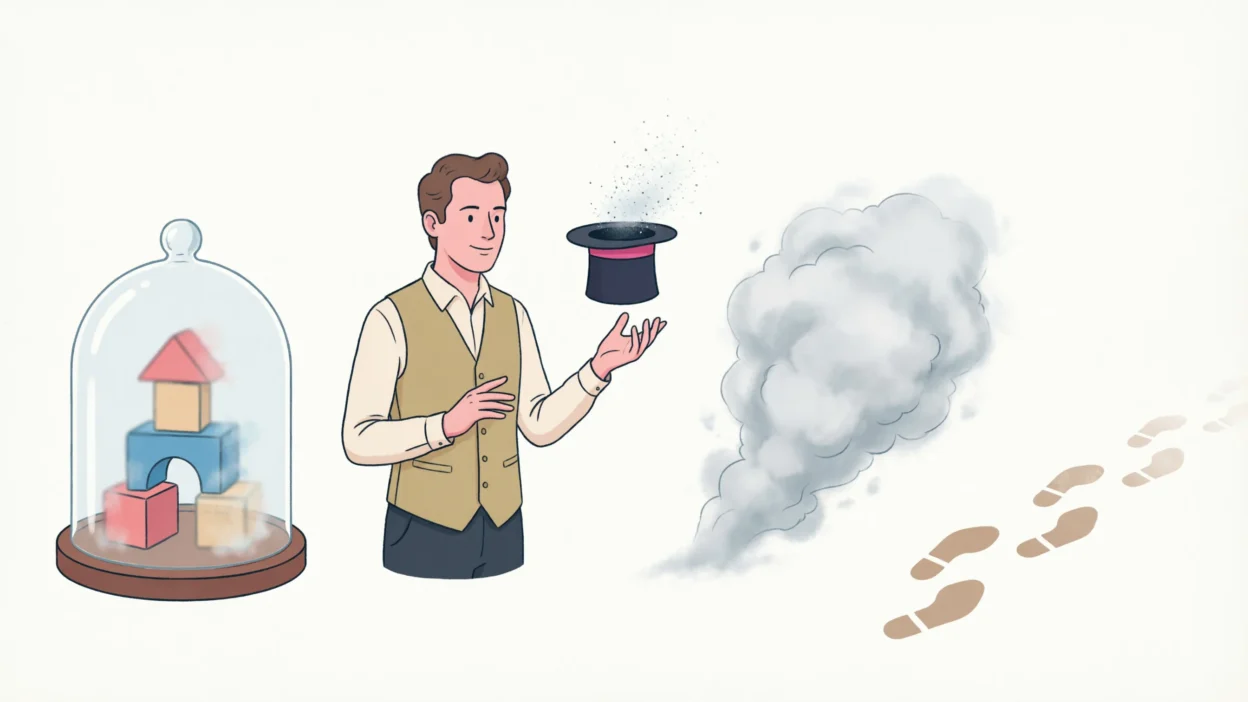
Example: The magician made the coin vanish.
Best Usage Context: Magic, storytelling, and everyday use.
2. Fade Away
Meaning: To gradually disappear.
Example: The music faded away in the distance.
Best Usage Context: Sounds, memories, and emotions.
3. Evaporate
Meaning: To disappear like vapor.
Example: The water evaporated in the heat.
Best Usage Context: Science and figurative writing.
4. Dissolve
Meaning: To break apart and disappear.
Example: The sugar dissolved in the tea.
Best Usage Context: Science and figurative use.
5. Melt Away
Meaning: To gradually disappear.
Example: The snow melted away in spring.
Best Usage Context: Nature and emotions.
6. Recede
Meaning: To move farther away.
Example: The floodwaters receded after the storm.
Best Usage Context: Nature and geography.
7. Retreat
Meaning: To move back or withdraw.
Example: The army retreated from the area.
Best Usage Context: Military and general use.
8. Withdraw
Meaning: To move away or remove oneself.
Example: She quietly withdrew from the discussion.
Best Usage Context: Social and professional situations.
9. Depart
Meaning: To leave a place.
Example: The train departed on time.
Best Usage Context: Travel and formal writing.
10. Leave
Meaning: To go away from a place.
Example: He left the room without a word.
Best Usage Context: Everyday conversations.
11. Slip Away
Meaning: To leave quietly or unnoticed.
Example: She slipped away during the event.
Best Usage Context: Storytelling.
12. Drift Away
Meaning: To move away gradually.
Example: The boat drifted away from shore.
Best Usage Context: Nature and descriptive writing.
13. Die Out
Meaning: To cease to exist.
Example: Some species have died out.
Best Usage Context: Biology and history.
14. Cease
Meaning: To stop existing or happening.
Example: The noise ceased suddenly.
Best Usage Context: Formal writing.
15. End
Meaning: To come to a conclusion.
Example: The event ended at midnight.
Best Usage Context: General use.
16. Pass Away
Meaning: To die or no longer exist.
Example: The beloved actor passed away peacefully.
Best Usage Context: Respectful references to death.
17. Drop Out of Sight
Meaning: To become no longer visible.
Example: The ship dropped out of sight beyond the horizon.
Best Usage Context: Descriptive writing.
18. Blink Out
Meaning: To disappear suddenly.
Example: The lights blinked out during the storm.
Best Usage Context: Informal and creative writing.
19. Dematerialize
Meaning: To cease being physically present.
Example: The character seemed to dematerialize.
Best Usage Context: Science fiction and fantasy.
20. Be Gone
Meaning: To no longer be present.
Example: By morning, the fog was gone.
Best Usage Context: Everyday communication.
21. Abscond
Meaning: To leave secretly, often to avoid consequences.
Example: The suspect absconded before trial.
Best Usage Context: Legal and formal writing.
22. Escape
Meaning: To get away from a place.
Example: The prisoner escaped at night.
Best Usage Context: Action and storytelling.
23. Remove Oneself
Meaning: To leave voluntarily.
Example: He removed himself from the situation.
Best Usage Context: Formal communication.
24. Subside
Meaning: To become less intense or disappear.
Example: The pain subsided after treatment.
Best Usage Context: Medical and emotional contexts.
25. Sink Away
Meaning: To gradually disappear from view.
Example: The sun sank away behind the hills.
Best Usage Context: Nature and literature.
26. Pass from View
Meaning: To become invisible.
Example: The bird passed from view behind the trees.
Best Usage Context: Descriptive writing.
27. Wane
Meaning: To gradually decrease or disappear.
Example: Interest in the trend began to wane.
Best Usage Context: Formal and academic writing.
28. Dwindle
Meaning: To become smaller until nearly gone.
Example: Supplies dwindled during the winter.
Best Usage Context: Business and reporting.
29. Extinguish
Meaning: To cause something to stop or disappear.
Example: Firefighters extinguished the flames.
Best Usage Context: Fire and metaphorical use.
30. Phase Out
Meaning: To gradually remove or eliminate.
Example: The company phased out the old product.
Best Usage Context: Business and technology.
Comparison Table: When to Use Different Disappear Synonyms
| ContextBest Synonyms | |
|---|---|
| Sudden Disappearance | Vanish, Blink Out, Dematerialize |
| Gradual Disappearance | Fade Away, Melt Away, Wane |
| Leaving a Place | Depart, Leave, Withdraw |
| Ceasing to Exist | Die Out, Cease, End |
| Formal Writing | Abscond, Remove Oneself, Phase Out |
How to Choose the Right Synonym
For Everyday Conversations
Use:
- Vanish
- Leave
- Be Gone
For Storytelling
Use:
- Slip Away
- Drift Away
- Dematerialize
For Formal Writing
Use:
- Cease
- Withdraw
- Abscond
For Gradual Changes
Use:
- Fade Away
- Wane
- Dwindle
For Business and Technology
Use:
- Phase Out
- Remove
- Cease
Conclusion
Learning the synonyms of disappear can help you describe things that vanish, leave, fade, or cease to exist with greater accuracy. While disappear is a versatile term, alternatives such as vanish, fade away, withdraw, wane, and phase out can better match specific contexts.
Using the right synonym will make your writing more vivid, precise, and engaging.

A creative writer with a deep interest in word usage and meaning.
He explores synonyms to enhance both academic and creative expression.
Zayn’s work aims to make language richer and more accessible for everyone.